Inspect and agree on the plan
Review construction, care instructions, wear, spots, odor concerns, and colorfastness. If another method looks more appropriate, we say so.

Dry foam uses water and cleaning solution in a controlled, foam-rich application. The aim is to avoid unnecessary saturation while cleaning suitable carpet—not to pretend the process is waterless.
The right process depends on the carpet, soil, warranty, and result you need. We explain where each step fits and what happens after we leave.
Review construction, care instructions, wear, spots, odor concerns, and colorfastness. If another method looks more appropriate, we say so.
Vacuum loose grit, hair, dust, and debris before moisture is introduced. Dry-soil removal is a cleaning step, not a formality.
Identify likely spot sources and use an appropriate treatment where suitable. Permanent discoloration and fiber damage cannot be promised away.
Distribute low-moisture foam and use controlled agitation through the carpet pile. Application varies with the surface and condition.
Groom the carpet and manage airflow. After it is fully dry, vacuum thoroughly to remove remaining dried shampoo and loosened soil.
These illustrations show the role of dry-soil removal, foam application, and grooming. The actual amount of soil removed and final appearance vary by job.
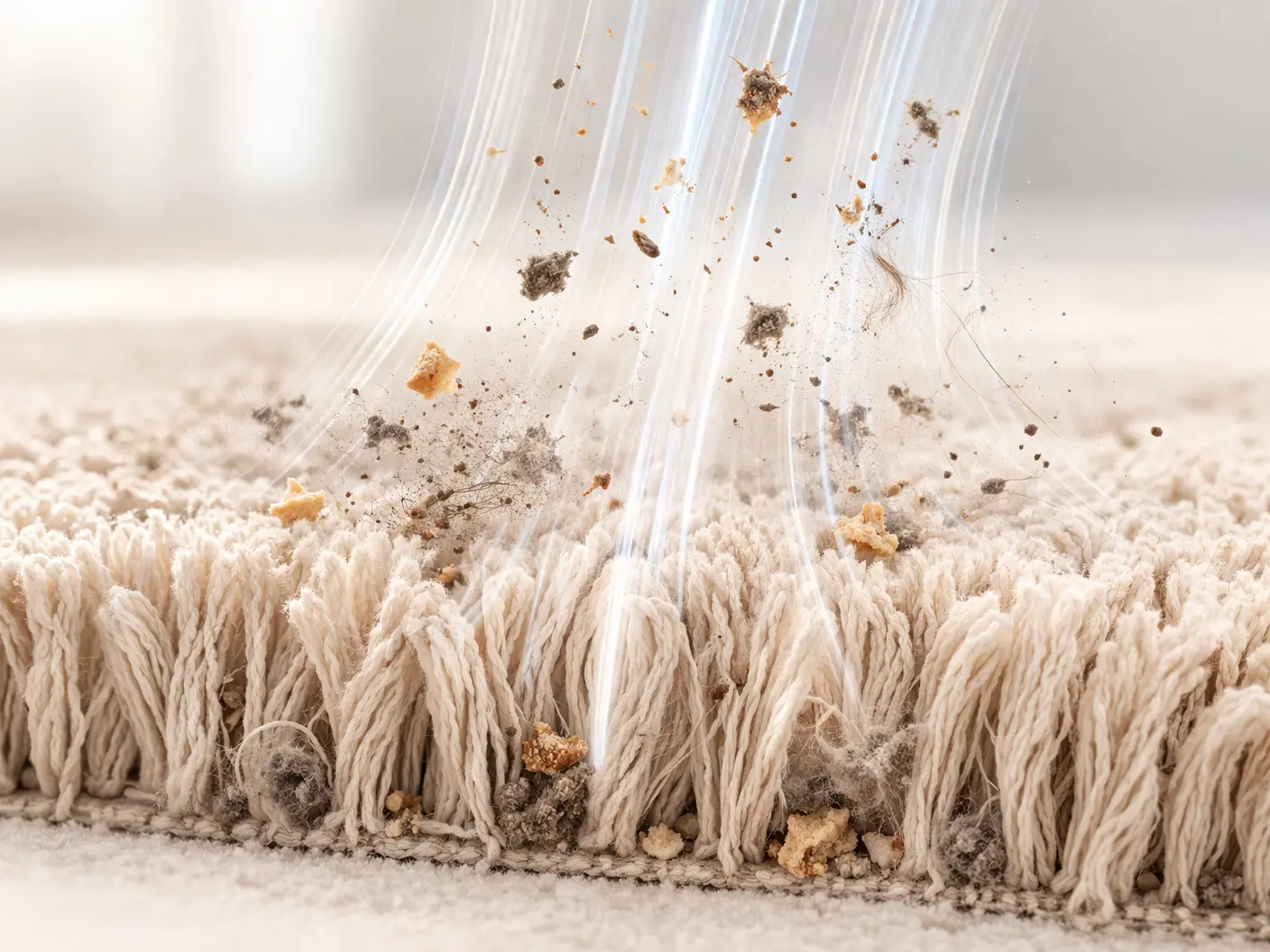
Loose particulate soil is easier to remove before it becomes wet. A careful pre-vacuum helps the later cleaning steps focus on adhered soil and visible concerns.
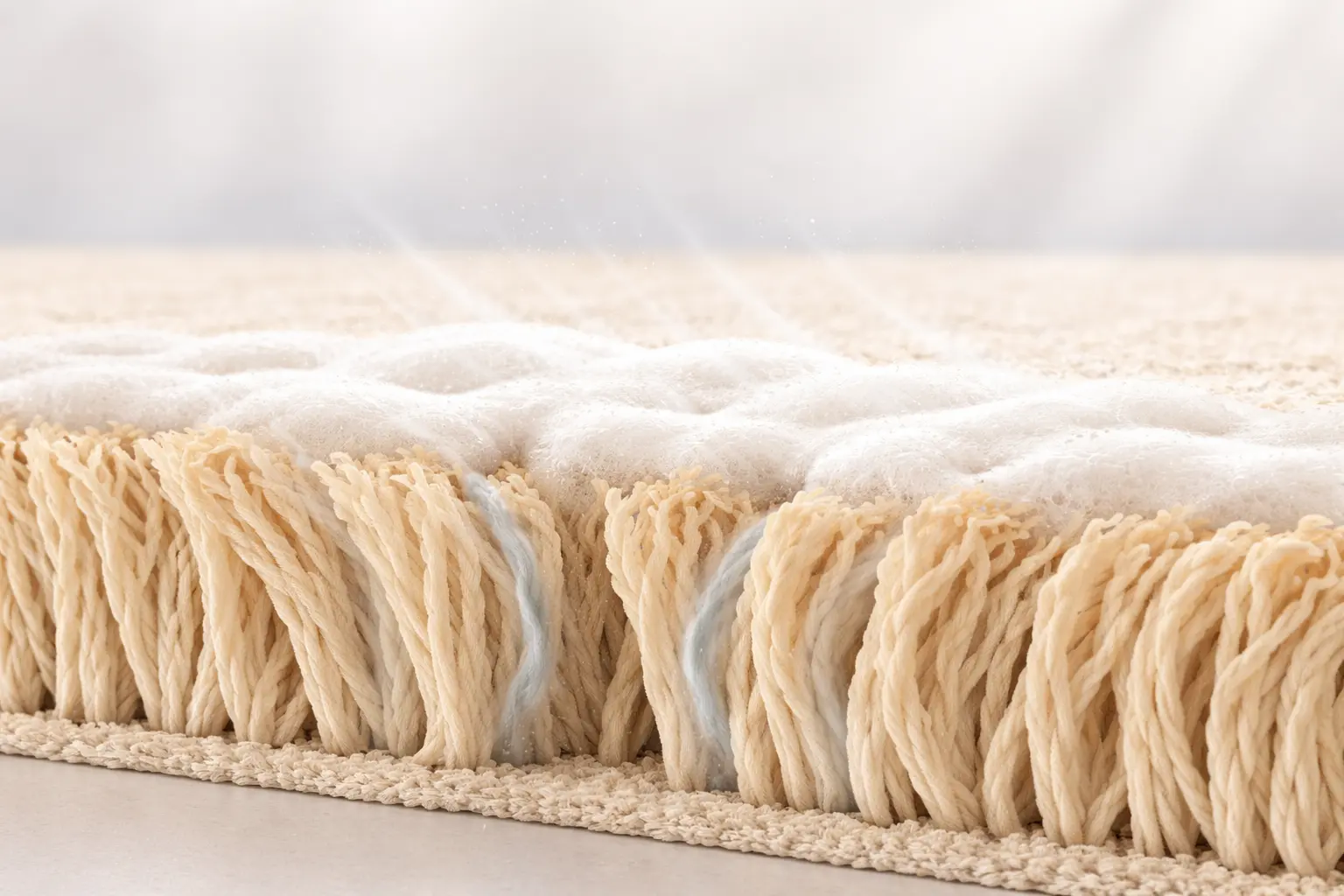
The method uses a foam-rich water-and-solution application with agitation. It is low-moisture—not dry, waterless, or universally appropriate.
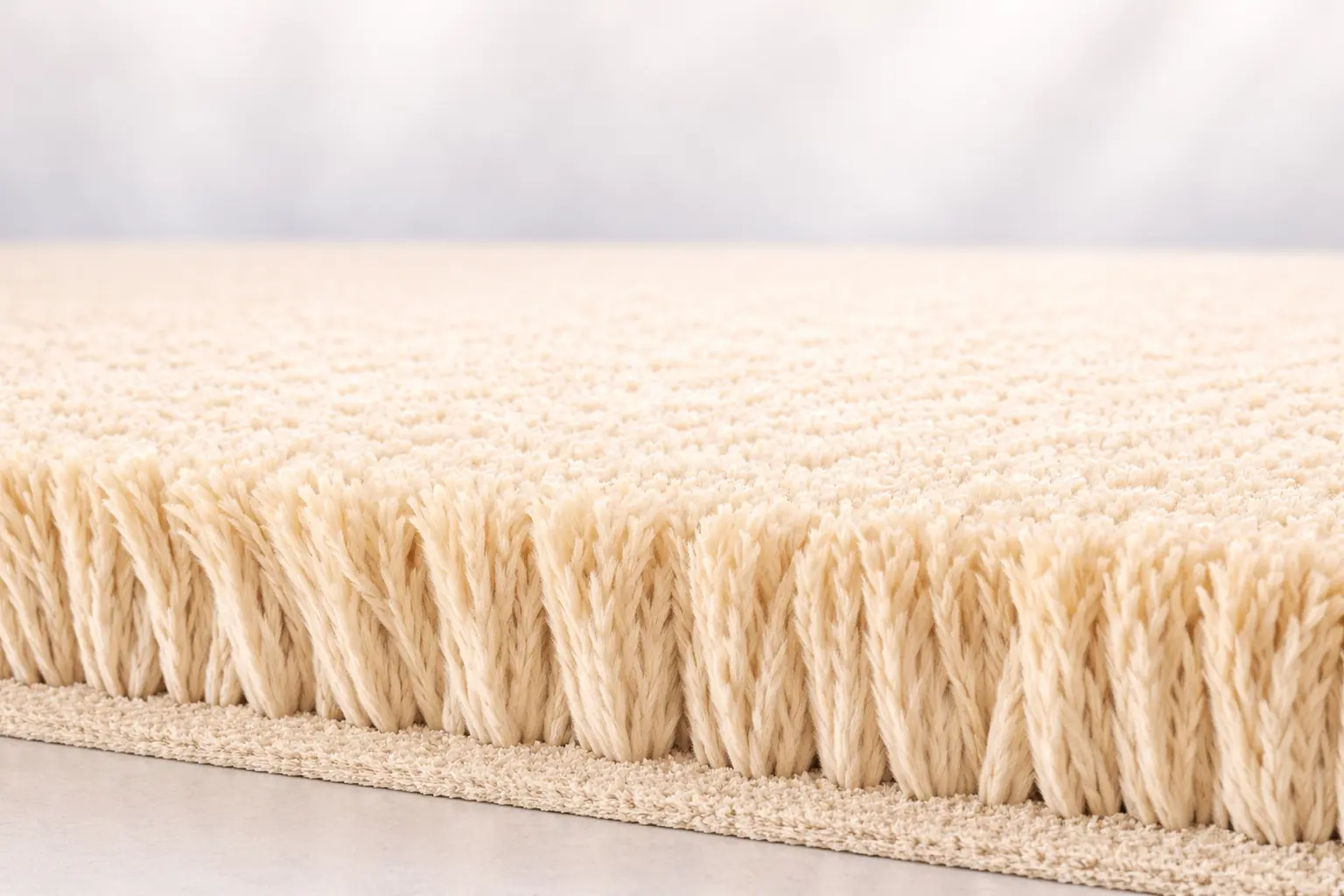
Grooming supports an even finish. Once completely dry, the carpet must be vacuumed thoroughly to collect remaining dried shampoo and loosened soil.
“Steam cleaning” commonly means hot-water extraction. Neither it nor dry foam is automatically right for every carpet.
| Question | Low-moisture dry foam | Hot-water extraction |
|---|---|---|
| Moisture | Uses a controlled, foam-rich application of water and solution. | Injects and extracts a larger volume of water and solution. |
| Typical role | Often a fit: routine or interim appearance maintenance on suitable carpet. | Often a fit: restorative cleaning and soil rinsing. |
| Drying | Many jobs dry later the same day; fiber, application, humidity, temperature, and airflow matter. | Often several hours; equipment, airflow, humidity, and carpet construction matter. |
| Final cleaning step | Vacuum thoroughly after the carpet is fully dry. | Soil and solution are extracted during cleaning; post-grooming and drying guidance varies. |
| Warranty fit | Check the carpet maker’s written requirements before choosing the method. | Commonly referenced or required by some carpet warranties. |
| Not a simple fit | Heavy restorative soil, widespread subsurface contamination, or warranties requiring extraction. | Situations where site access, water sensitivity, or a shorter drying window makes another compliant method preferable. |
Your carpet manufacturer’s current care and warranty instructions control. Construction, soil level, contamination, documentation requirements, and desired outcome should guide the choice.
Fiber, pile, application amount, soil treatment, room temperature, humidity, and airflow all affect the drying window.
Keep traffic off while the carpet is damp.
Use practical airflow as directed for the room and season.
Vacuum thoroughly only after the carpet is completely dry.
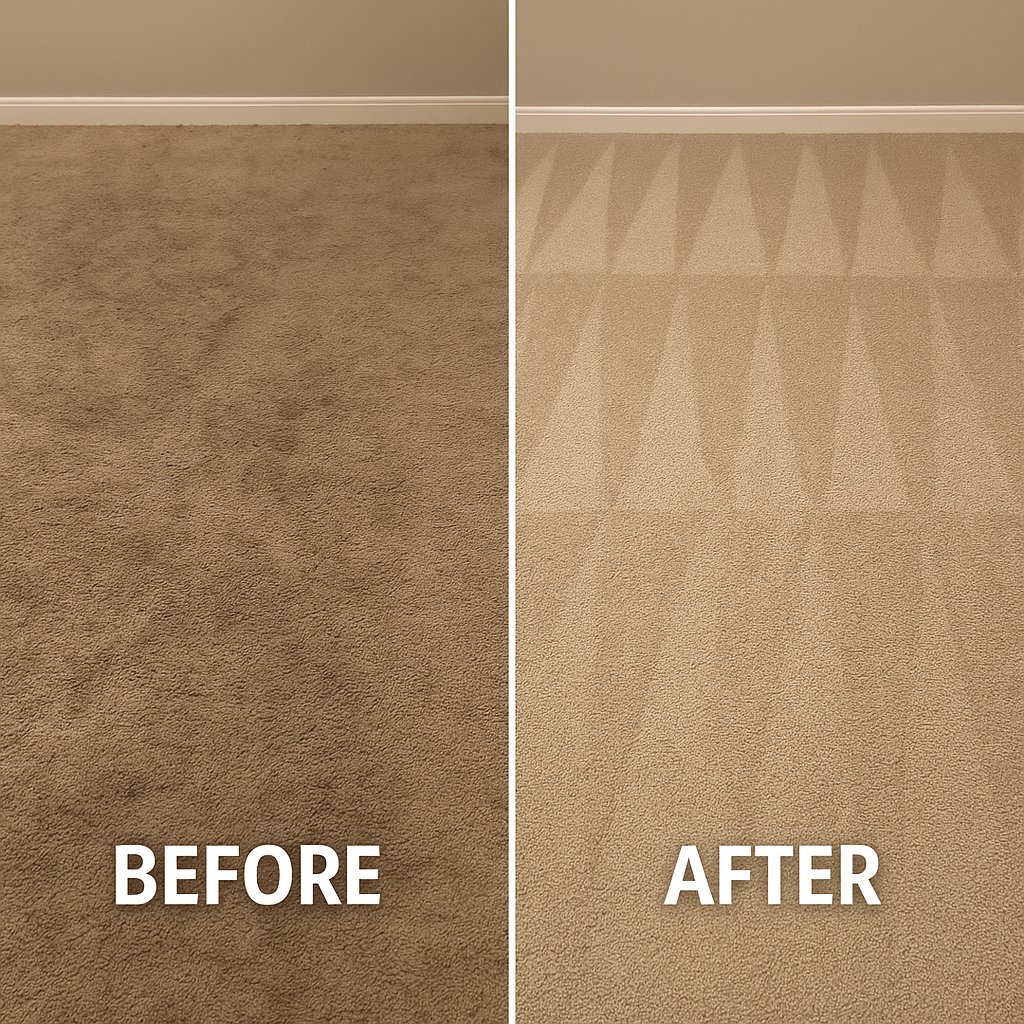
Routine refresh, move-in timing, heavy traffic, pet concerns, or warranty questions all change the recommendation. Share the context and we’ll help you choose a sensible next step.