Map the spaces
Walk through rooms, stairs, landings, open areas, access, and furniture constraints.

Elk River homes span different ages, layouts, fibers, and care histories. TruFoam starts with those facts, then confirms whether low-moisture dry foam fits the surface and your goal.
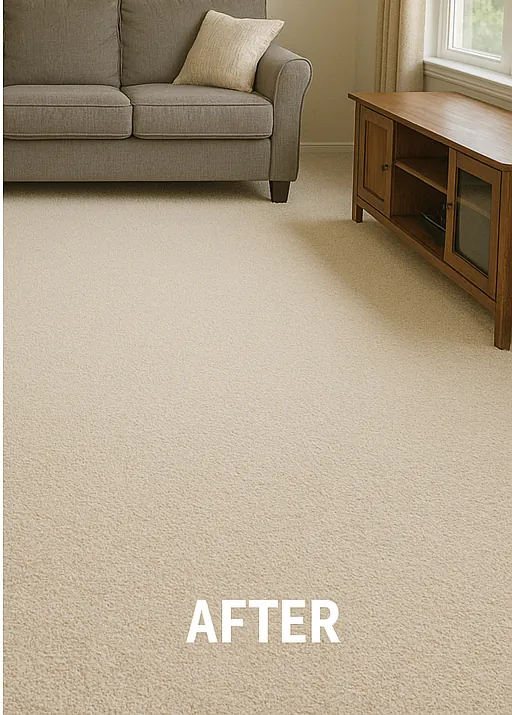
A newer carpet may come with written cleaning requirements. An older carpet may show wear, backing concerns, dye loss, or a long history of spot products. Neither should be treated from a script.
We review available care information and visible condition before moisture is introduced. Wear, bleaching, permanent dye change, and fiber damage are separated from removable soil so expectations stay realistic.
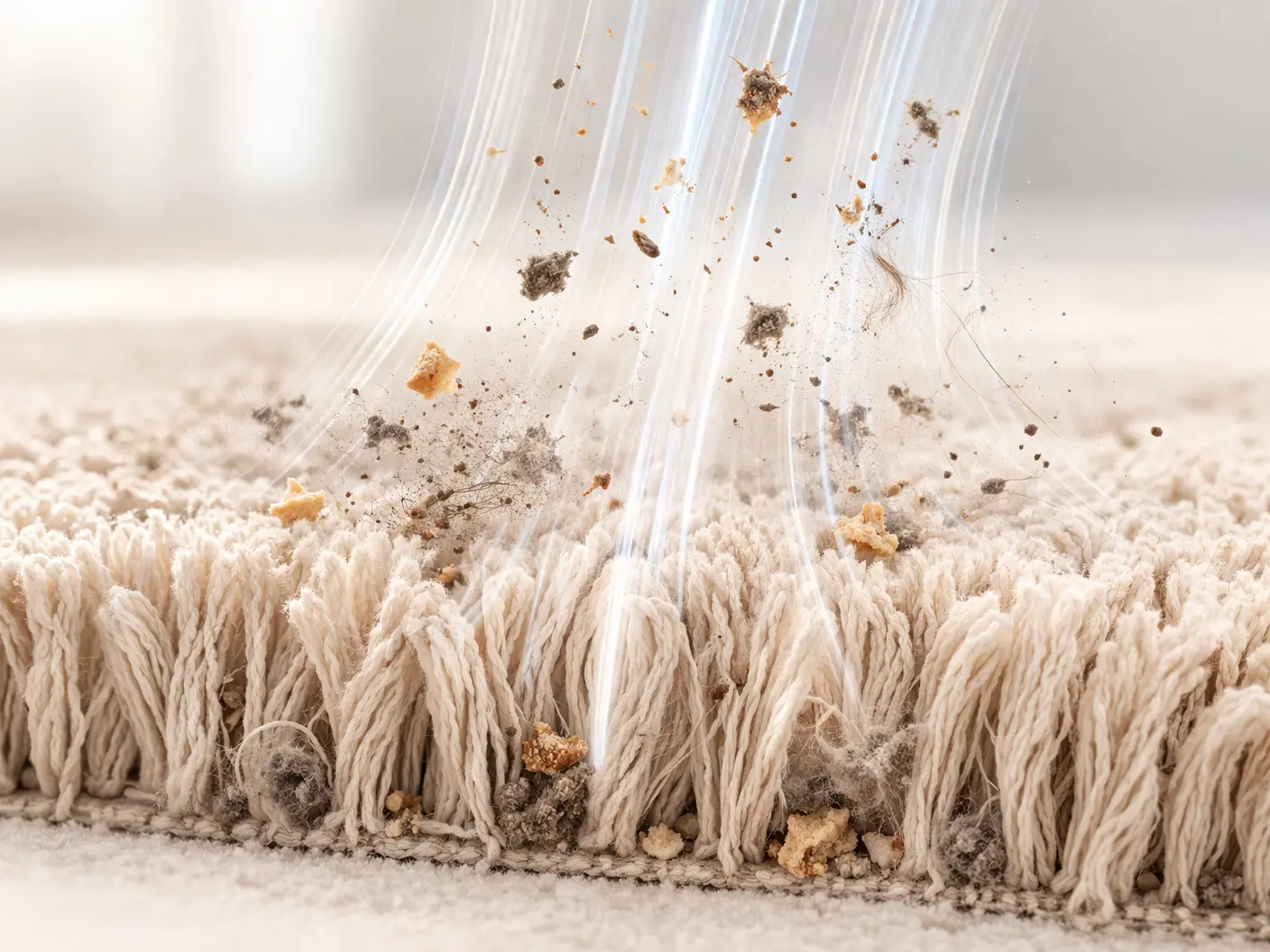
See the inspection-first processLow-moisture dry foam uses water and cleaning solution; it is not waterless. It can suit routine appearance care and a shorter drying window, while other conditions call for deeper rinsing or specialist treatment.
| Situation | Useful starting point | What to check first |
|---|---|---|
| Routine traffic and appearance care | Low-moisture dry foam may fit | Fiber, construction, care label, soil level, and desired outcome. |
| Heavy soil or restorative cleaning | Discuss hot-water extraction | Whether deeper rinsing, recovery, or another specialist process is needed. |
| Active carpet warranty | Follow the written warranty | Required method, interval, products, provider documentation, and receipts. |
| Repeated pet accidents | Locate the source depth | Whether contamination reached the backing, pad, or subfloor. |
The cleaning step begins only after the surface, boundaries, optional work, and expectations are clear.
Walk through rooms, stairs, landings, open areas, access, and furniture constraints.
Check available care information, construction, wear, spots, and odor concerns.
Confirm the included work, baseline price, optional treatment, and method fit.
Complete the agreed process, groom the pile, explain drying, and vacuum after fully dry.
Bedrooms, living rooms, offices, and similar enclosed spaces are straightforward starting counts. Large or connected spaces, landings, rugs, specialty concerns, and other surfaces are confirmed separately.
Room count: send your best estimate before the visit.
Open areas: describe where one use area flows into another.
Changes: optional work is explained and approved first.
The right answer depends on the carpet and the written requirements, not the city name alone.
Yes, if the carpet is under warranty or you have the care documents. Some manufacturers specify cleaning intervals, approved products, documentation, or hot-water extraction. Those written requirements should guide the method.
Indoor conditions matter most: carpet fiber and pile, the amount applied, room temperature, humidity, and airflow. We do not promise one universal dry time; we give a practical range and ventilation guidance after assessment.
Cleaning may improve removable soil, but physical wear, pile distortion, bleaching, and permanent dye loss can remain. We point out visible limitations during the walkthrough.
Keep traffic controlled while the carpet dries, follow the airflow guidance, and vacuum thoroughly after it is fully dry. We explain the timing and after-care before leaving.
Use the nearest detailed guide or send the exact address for confirmation.
Open-plan counting, address coverage, and warranty-aware planning.
View OtsegoCity-versus-township coverage, traffic-area priorities, and post-dry care.
View Big LakeSee the full northwest-metro coverage list and how address confirmation works.
View coverageSend the address, room and stair counts, carpet concerns, access notes, and preferred timing. We will call or text to confirm coverage, method fit, scope, price, and availability.